
Everyday Science Quiz: What Is Really Happening?
A friendly science quiz about common scenes like fogged mirrors, ice floating, stale bread, phone heat, and why shadows change during the day.
By Quiz Voyage Editorial Team
Editorial note: This quiz is for general learning and entertainment. It is not a formal science course, laboratory instruction, or safety manual. If an experiment involves heat, electricity, chemicals, sharp objects, or food safety, use reliable expert guidance rather than improvising at home.
Everyday science is easy to miss because it happens in ordinary places. A bathroom mirror fogs. Ice floats. Bread turns stale. A phone warms in your hand. A shadow moves across the floor. None of these moments looks like a science lesson, but each one has a real explanation.
This quiz is designed to be read slowly. Pick an answer, then read the explanation. The useful part is not only the score. It is learning a small reason behind something you have probably seen hundreds of times.
How To Take The Quiz
Choose one answer for each question. Keep a rough score if you like, but do not treat it like a school test. If you miss a question, pause at the explanation and connect it to a real scene from your home, street, kitchen, or phone.
1. Why does a bathroom mirror fog after a hot shower?
A. The mirror absorbs steam like a sponge
B. Warm water vapor condenses on the cooler mirror
C. Soap particles stick to the glass
D. The mirror creates its own moisture
Answer: B. Hot showers add water vapor to the air. When that vapor meets a cooler mirror, it can condense into tiny droplets. The droplets scatter light, so the mirror looks cloudy instead of clear.
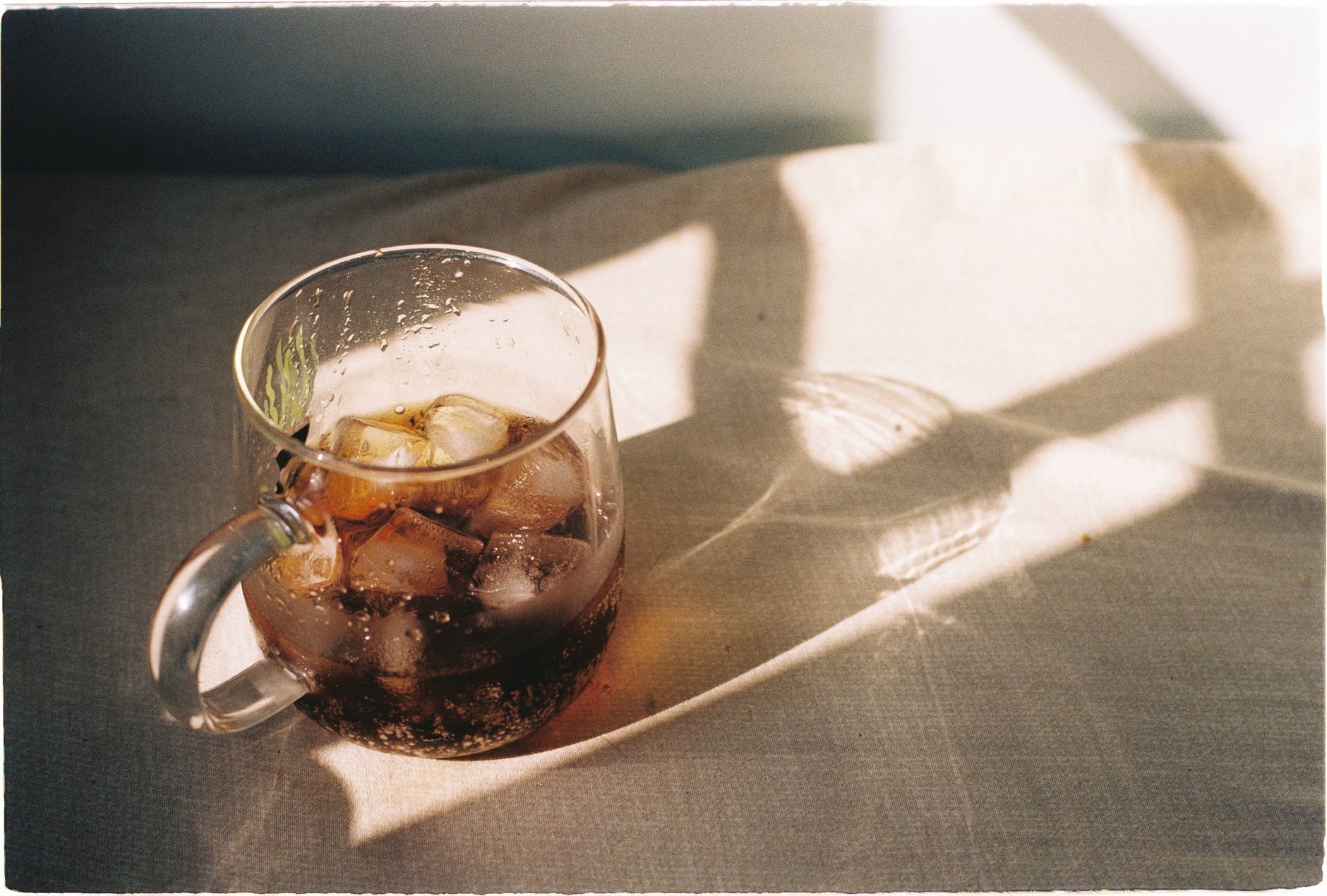
2. Why does ice float in a glass of water?
A. Ice is colder than water
B. Ice contains trapped salt
C. Solid water is less dense than liquid water
D. The glass pushes ice upward
Answer: C. Water is unusual because it expands when it freezes. Ice is less dense than liquid water, so it floats. This is one reason lakes can freeze at the surface while water remains below.
3. Why does bread become stale even when it is not moldy?
A. It loses all of its water instantly
B. Starch molecules change structure over time
C. The crust absorbs oxygen and becomes metal-like
D. Yeast keeps growing forever
Answer: B. Staling is not just drying. The starch structure changes, making bread feel firm and less pleasant. Wrapping, freezing, and reheating can change the experience, but old bread and unsafe mold are different issues.
4. Why does a phone often get warm during navigation or video recording?
A. The screen color creates heat by itself
B. The phone is doing more work with the processor, screen, radios, and sensors
C. Apps add warm air inside the phone
D. The battery expands every time maps are open
Answer: B. Navigation, camera use, weak signal, charging, and bright screens can all increase workload. More work often means more heat. If a phone becomes unusually hot, shuts down, swells, or smells strange, stop using it and seek qualified repair guidance.
5. Why do shadows change length during the day?
A. Objects shrink after lunch
B. The sun’s apparent position changes in the sky
C. Air pushes shadows sideways
D. The ground absorbs darkness
Answer: B. As Earth rotates, the sun appears to move across the sky. When the sun is lower, shadows are longer. When it is higher, shadows are shorter. A simple stick in the ground can show this change clearly.
6. Why does metal feel colder than wood in the same room?
A. Metal is always at a lower temperature
B. Wood secretly produces heat
C. Metal conducts heat away from your hand faster
D. The color of metal tricks your eyes
Answer: C. The metal and wood may be at the same room temperature, but metal transfers heat away from your skin more quickly. Your hand senses that heat loss as coldness.
7. Why can a sealed bag of chips puff up on an airplane or mountain road?
A. The chips are growing
B. Air pressure outside the bag is lower, so the trapped air inside expands relative to it
C. Salt releases gas at high altitude
D. The plastic gets heavier
Answer: B. Air pressure changes with altitude. When outside pressure drops, the sealed air inside the bag can push outward more noticeably. The same idea helps explain why your ears may pop during altitude changes.
8. Why does a spoon look bent in a glass of water?
A. Water bends the metal
B. Light changes direction as it moves between air and water
C. The glass creates a tiny magnet
D. Your eye reverses the image
Answer: B. This is refraction. Light travels differently through air, water, and glass, so the spoon appears shifted at the boundary. The spoon is not actually bent.
Score Guide
| Score | Result |
|---|---|
| 0-2 | Careful observer in training |
| 3-5 | Everyday science learner |
| 6-7 | Strong pattern spotter |
| 8 | Household physics champion |
What Makes This Quiz Useful
The questions are not about memorizing fancy words. They are about connecting an explanation to a scene. Condensation explains the mirror. Density explains floating ice. Conduction explains cold metal. Refraction explains the spoon. Once you connect the word to the scene, the idea is easier to remember.
For a second round, walk through your home and find three more questions. Why does laundry dry faster near moving air? Why does soup cool faster in a shallow bowl? Why does a window look darker at night from the outside? Turning ordinary moments into questions is one of the easiest ways to keep learning.
Review The Ideas By Theme
Several questions in this quiz are really about matter changing form or position. Condensation is water vapor becoming liquid on a cooler surface. Ice floating is about the structure and density of frozen water. Stale bread is about texture changing over time, not only about visible moisture. These examples show why a short observation can have more than one layer.
Another group is about energy transfer. A phone warming during heavy use, metal feeling colder than wood, and soup cooling faster in a shallow bowl all involve heat moving from one place to another. The details differ, but the core question is similar: where is energy moving, and what material or shape affects the speed?
A third group is about light and perspective. Shadows changing length and a spoon looking bent both remind us that seeing something is not the same as seeing the whole cause. Light travels, reflects, refracts, and gets blocked in predictable ways. Once you know that, ordinary scenes become easier to decode.
Make Your Own Fair Question
A fair everyday science question should give enough information for a reader to reason without needing a hidden fact. For example,‘Why does a cold drink make water appear on the outside of the glass?’ is fair because the scene points toward condensation. A question that asks for an obscure chemical formula without warning would be a memory test, not an observation puzzle.
Try writing one question with four choices. Make one answer clearly right, two answers tempting but wrong, and one answer a little silly. Then write a two-sentence explanation. If the explanation teaches the idea without embarrassing the person who guessed wrong, the question is doing its job.
If you want more background, educational resources from groups such as NOAA and NASA can be good starting points for weather, light, Earth, and space topics. Keep the habit simple: notice the scene, ask what is changing, then look for the explanation.